MONTEREY OR MOSS LANDING FOR WHALE WATCHING?
IT ALL COMES DOWN TO THE CANYON
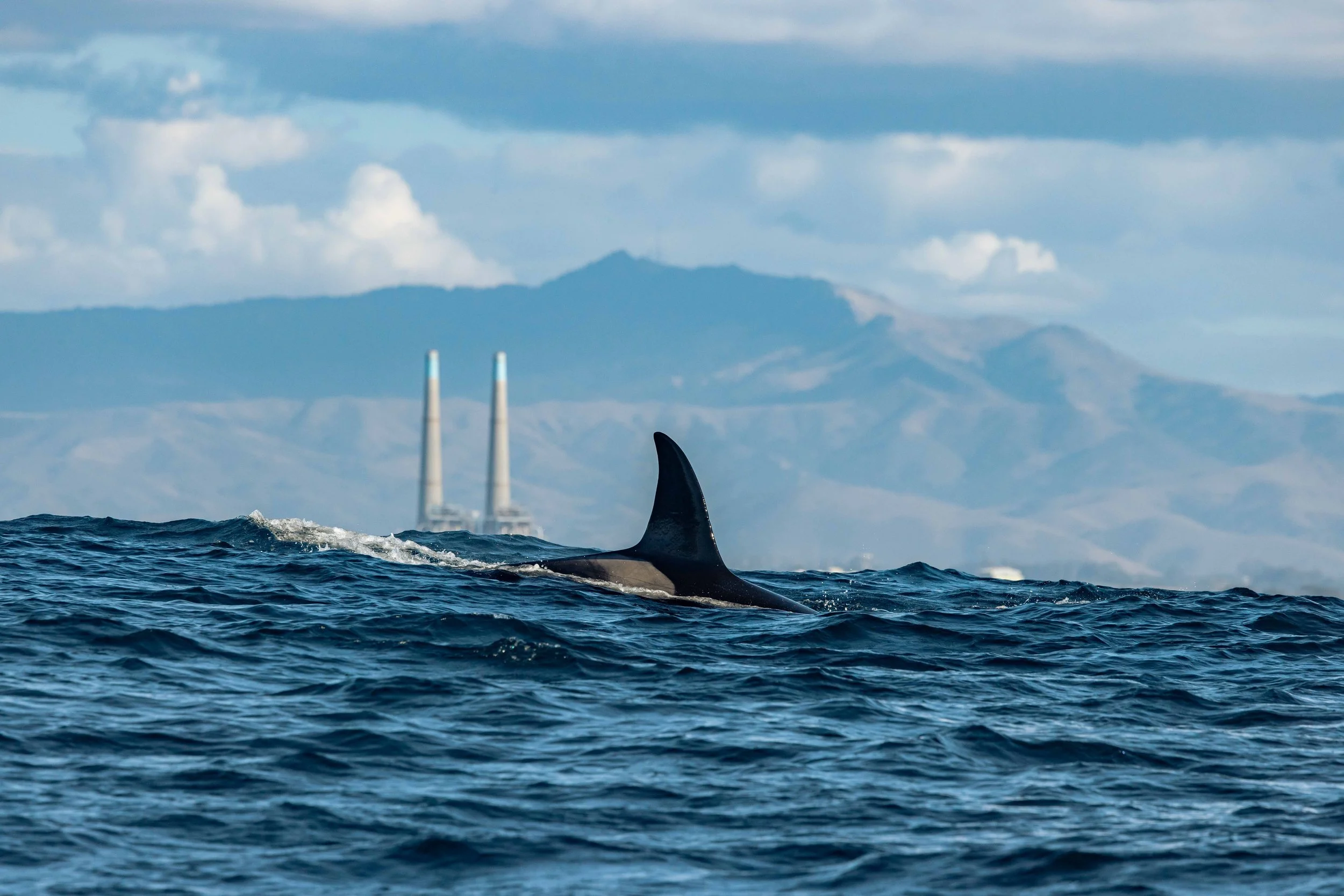
Monterey Bay owes its whales to one feature on the seafloor: the Monterey Submarine Canyon, a trench cut as deep as the Grand Canyon. Its head reaches almost to the shore at Moss Landing. From Monterey’s wharf, that same deep water sits farther offshore.
That drop-off shapes everything. Where the canyon wall rises back toward the surface, cold, nutrient-rich water wells up and the food chain stacks on top of it. Krill and baitfish bunch along the canyon edge — and the whales gather wherever the food is thickest. Leaving from Moss Landing puts you at the head of that canyon before most boats have cleared the harbor.
WHERE THE ORCAS HUNT
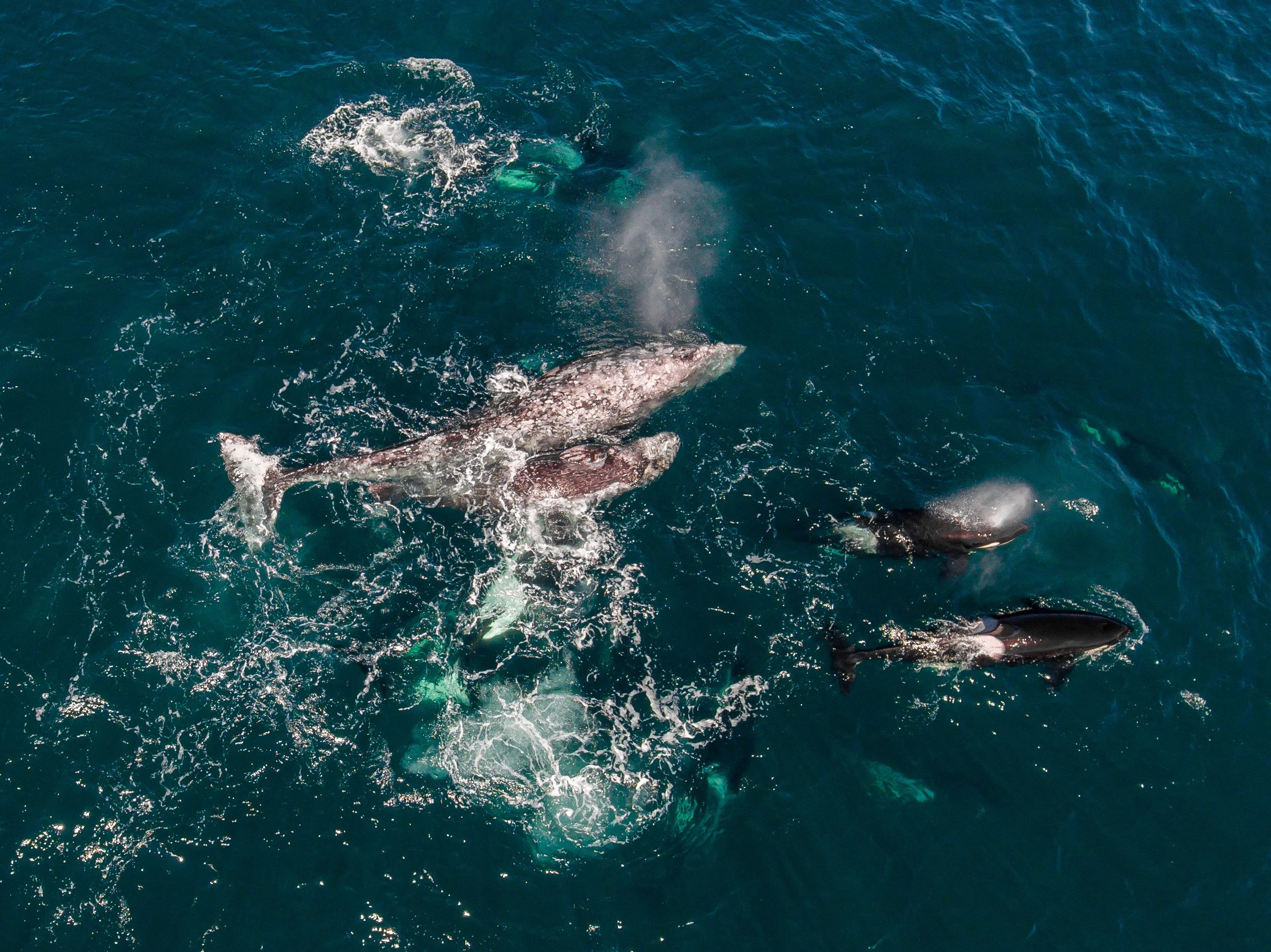
The canyon edge is a hunting ground. Transient orcas work the rim of the canyon, looking for sea lions, seals, dolphins and the gray whale who tries to cut across the bay. Some of the bay’s most dramatic encounters happen right along that line. Departing from Moss Landing puts you on the edge first, while the morning is still calm.
None of this is a knock on Monterey — it’s a beautiful place to leave from, with a century of history on the water. But geography is geography. The closer your harbor sits to the canyon, the less time you spend getting there and the more of your trip is spent beside the animals.
WHY HUMPBACKS FEED HERE
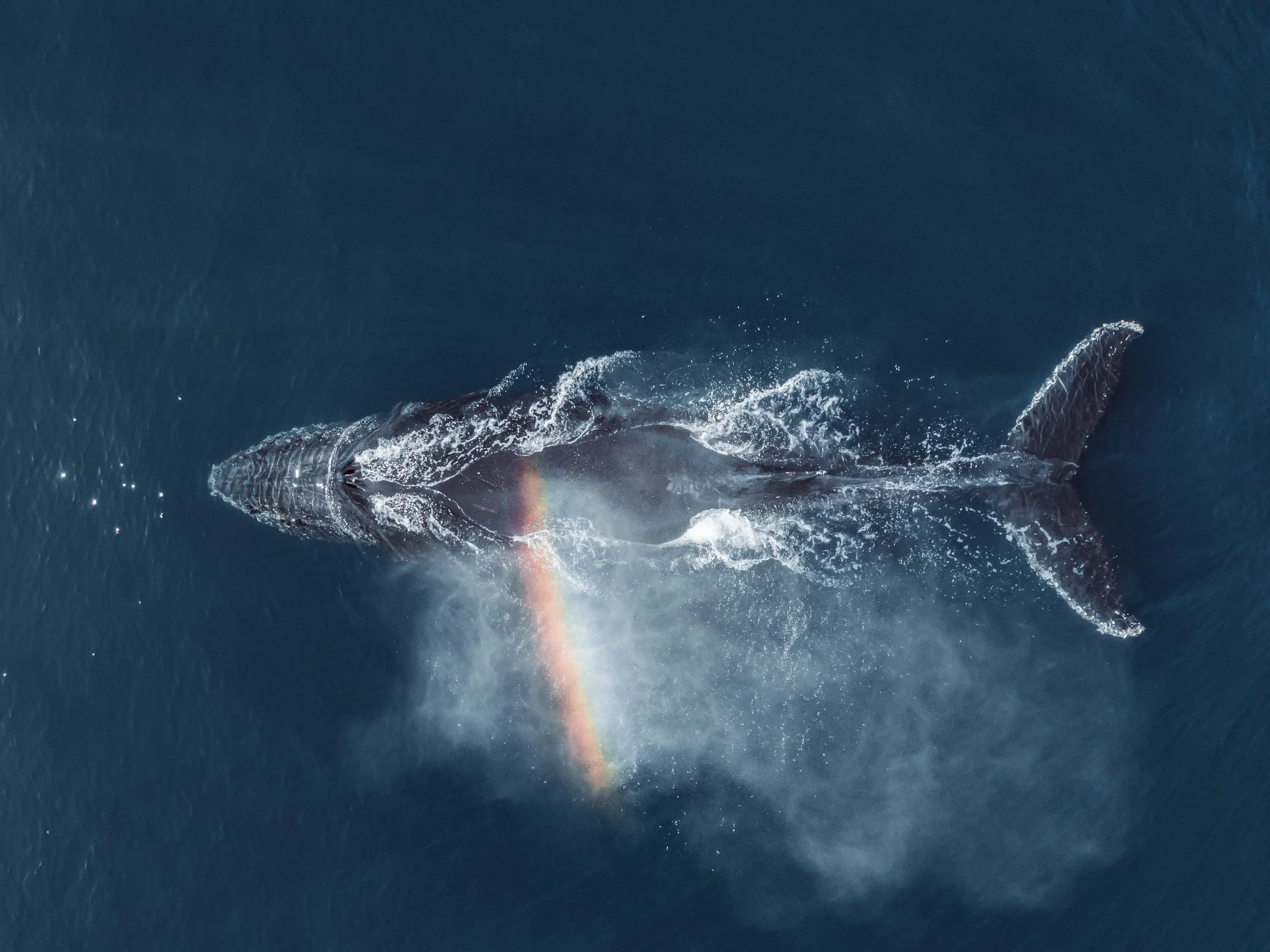
The same canyon that draws the orcas brings the humpbacks. When cold, deep water wells up along the canyon walls, it carries nutrients that fuel dense blooms of krill and anchovies — exactly what a humpback needs. The whales follow that food column to the surface, and in Monterey Bay that column rises closest to shore right at the head of the canyon, a few minutes from the Moss Landing dock.
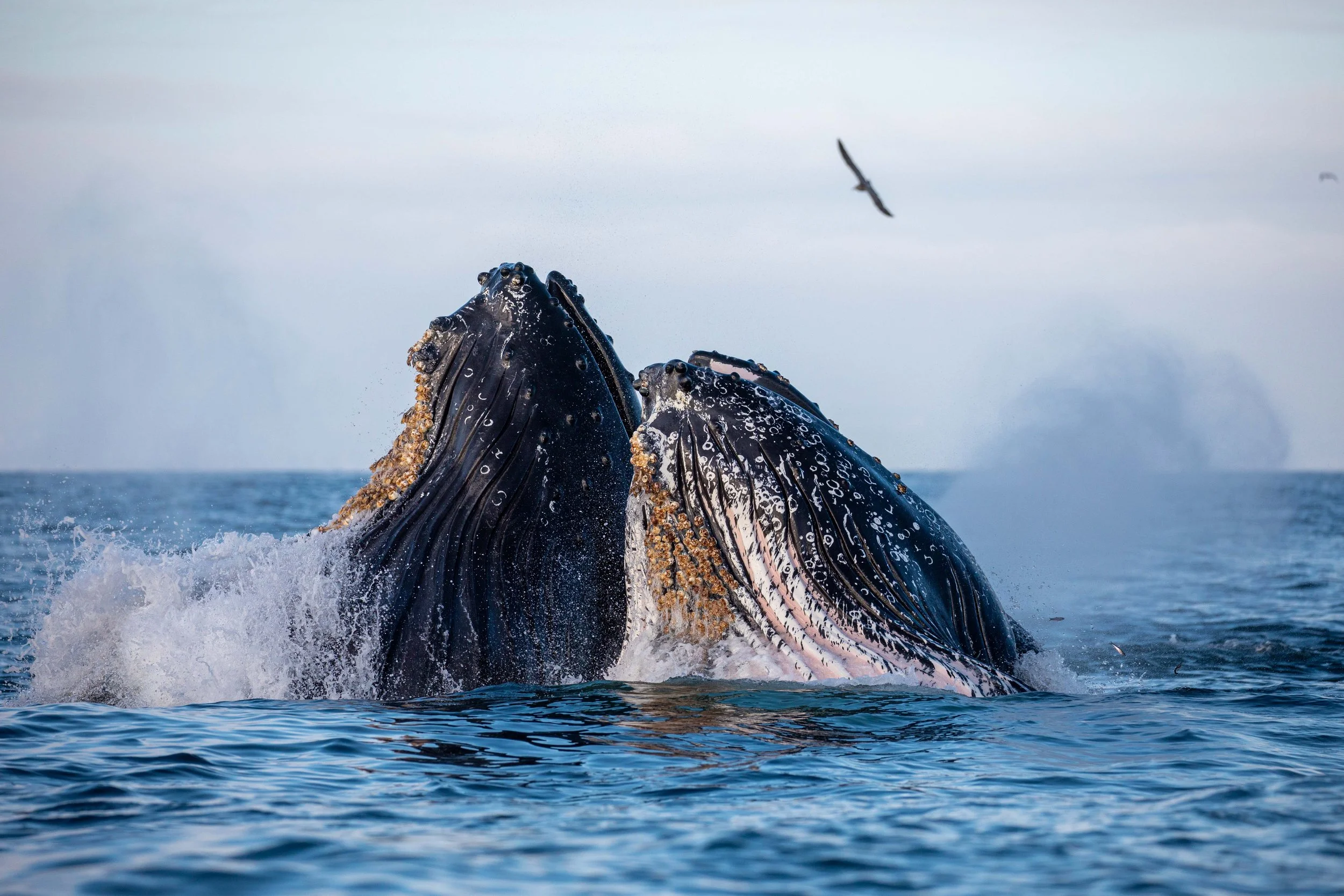
When they’re feeding hard, humpbacks are impossible to miss. A lunge — that moment when a 40-ton animal drives its open jaw through a ball of anchovies and half-clears the water — happens fast and close. Because we spend so little time traveling, we get more time sitting with the animals at the surface, watching them work. That’s the practical difference the canyon makes.
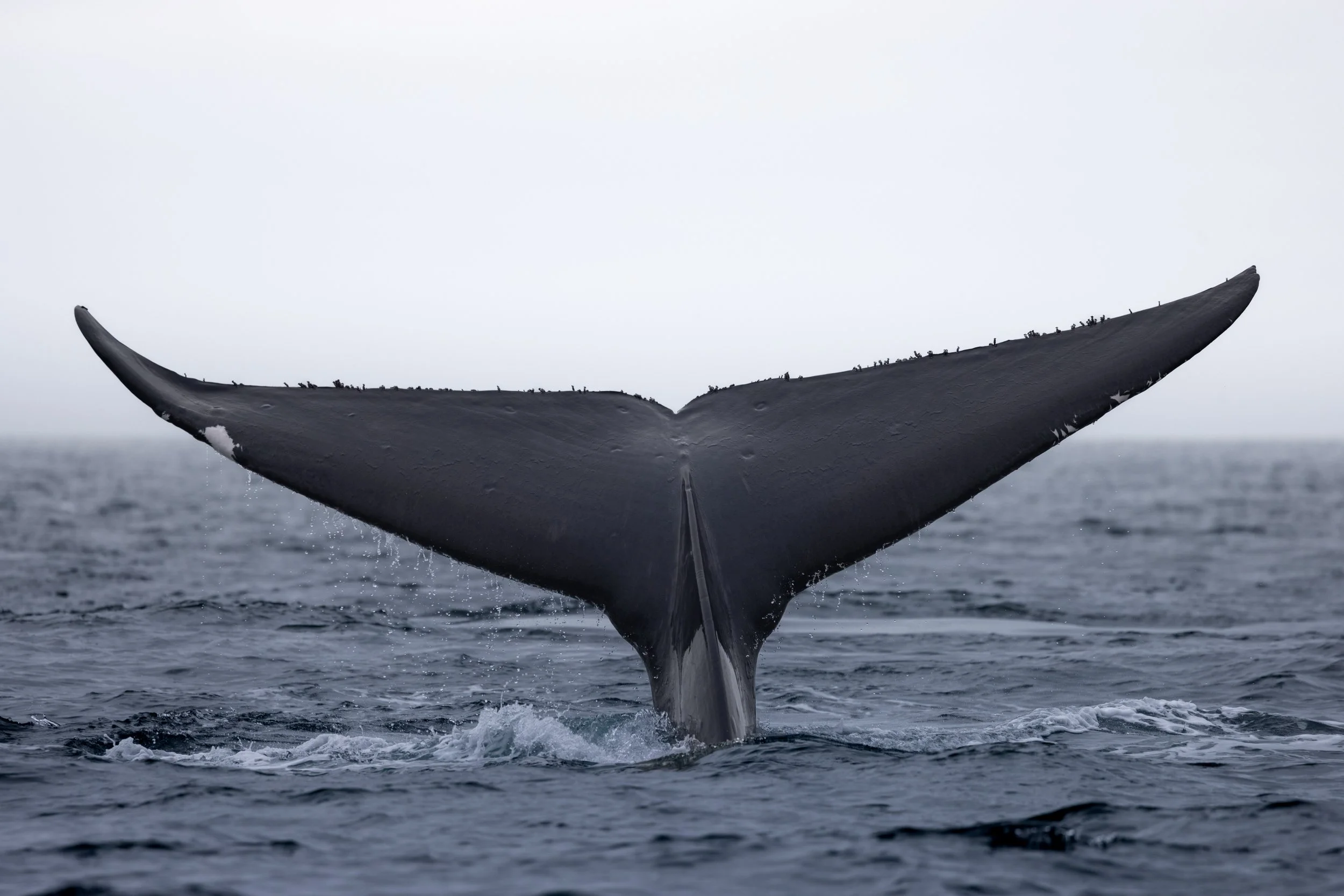
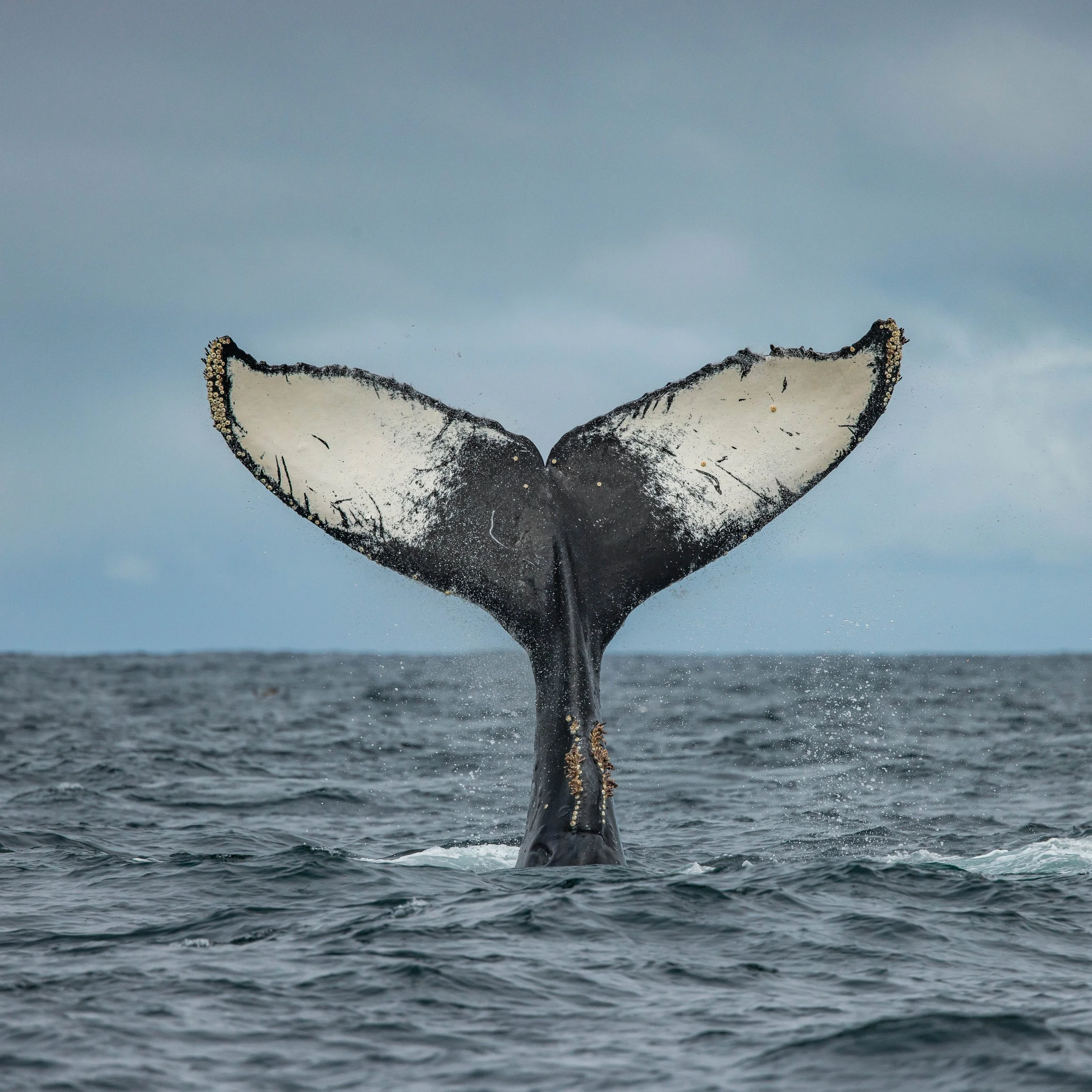
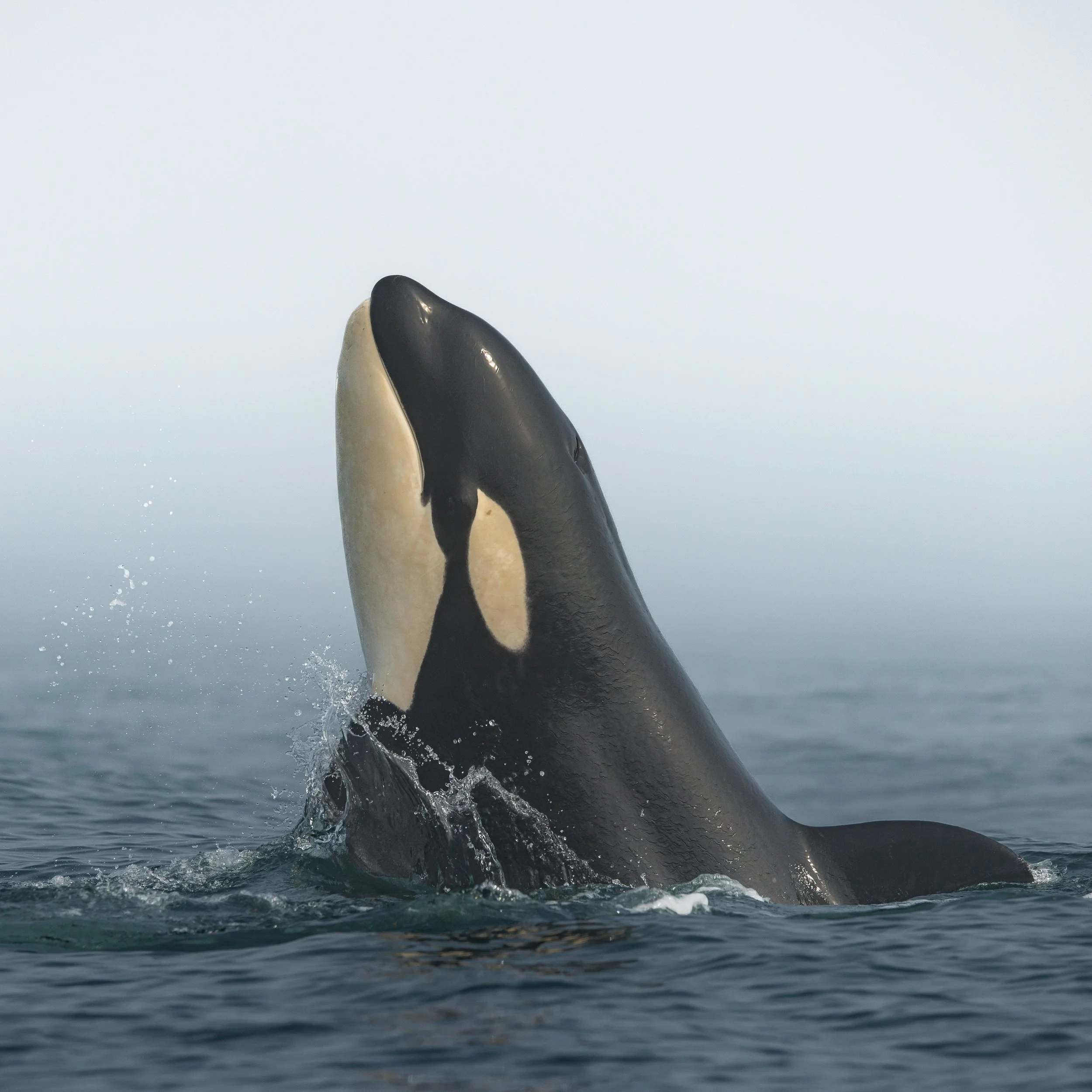
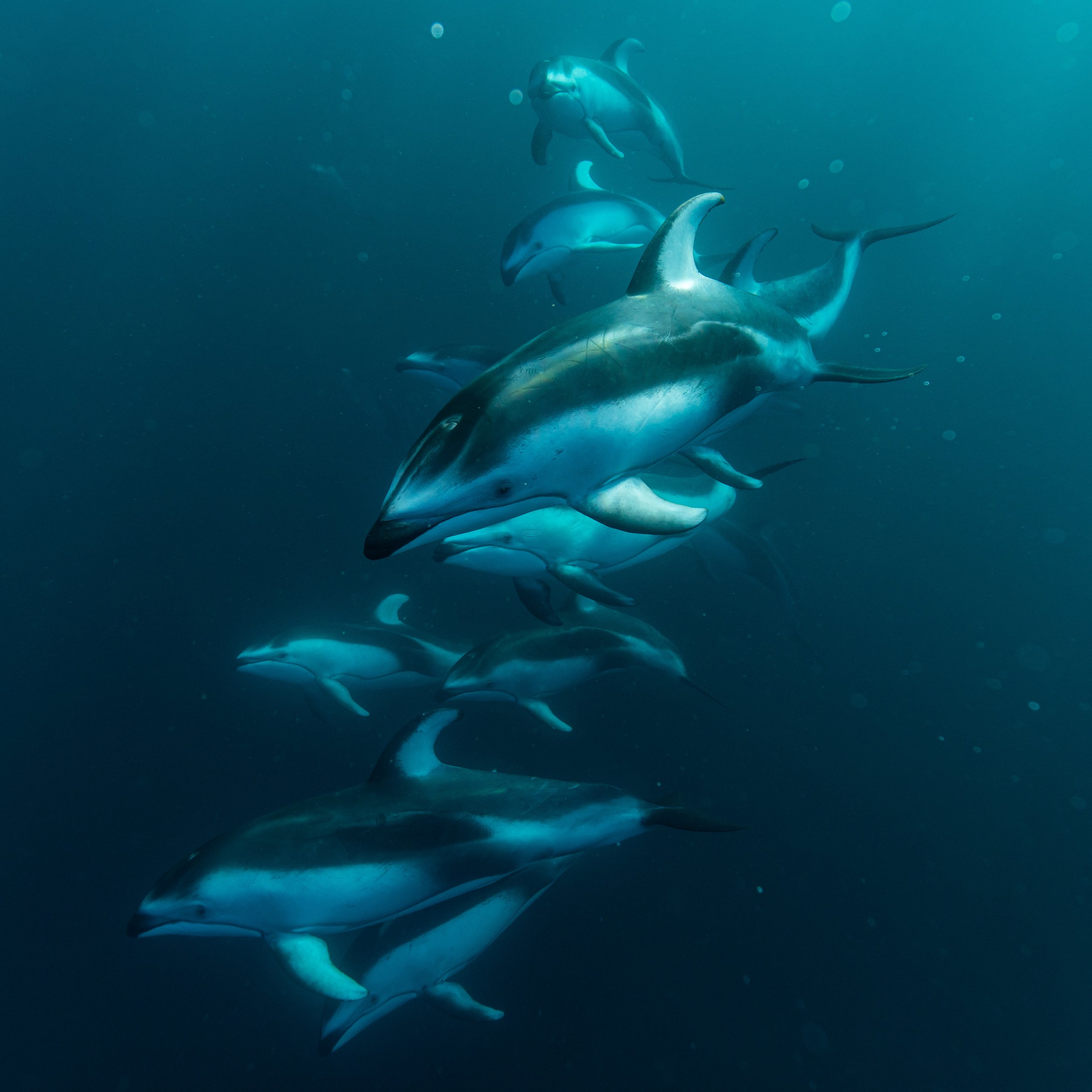
MINUTES FROM WHALES, NOT MILES.
At the height of the season, whales feed within sight of the Moss Landing jetty. We can be alongside them minutes after leaving the dock — not miles into the search.